
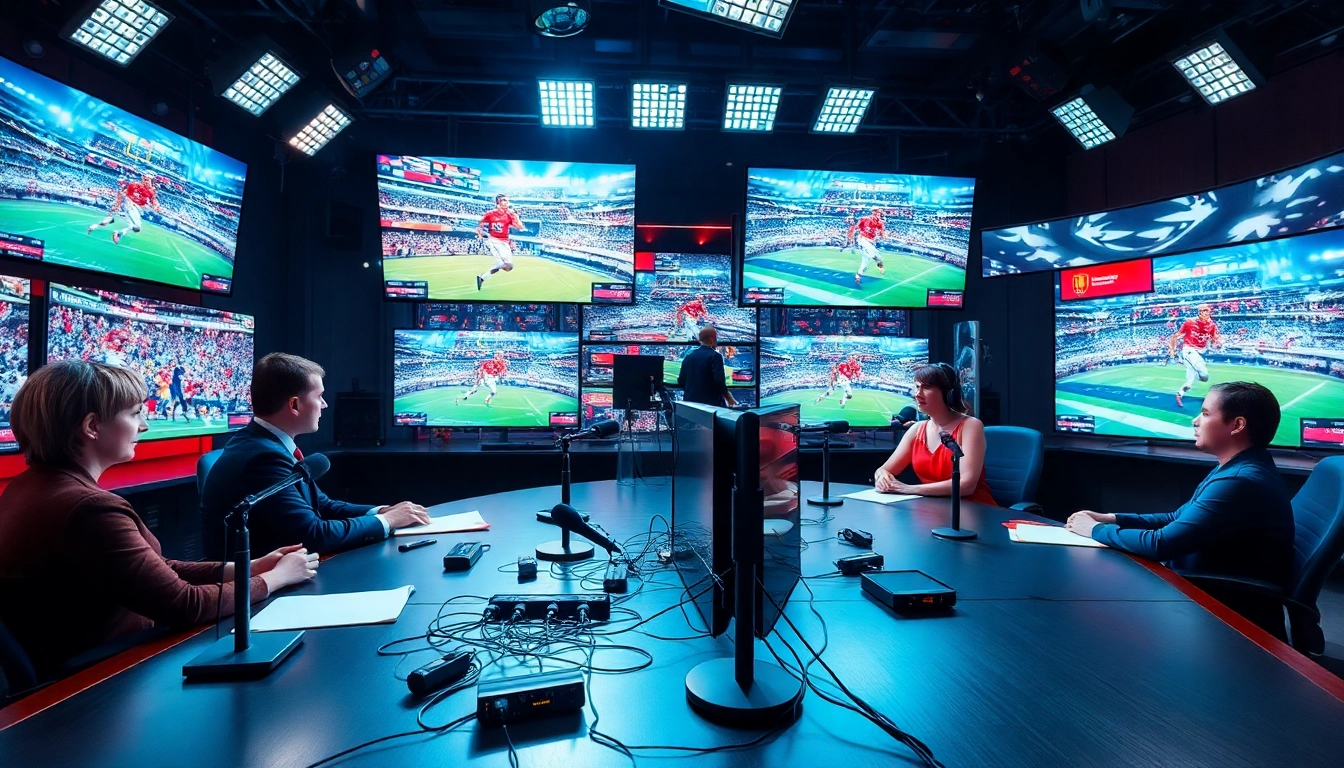
Introduction to Sports Broadcasting
Sports broadcasting stands as a critical facet of contemporary media, energizing the connection between sports events and audiences worldwide. By broadcasting live events, offering analysis, and engaging fans, broadcasters play a pivotal role in shaping the sports culture. This realm has significantly evolved, influenced by technological advancements and shifting viewer preferences. Today, the landscape of Sports Broadcasting encompasses traditional television, radio, and an increasing surge of digital platforms, providing unprecedented access to sports content.
The Evolution of Sports Broadcasting
The journey of sports broadcasting is remarkable, starting from radio transmissions in the early 20th century. The first major leap occurred with television in the 1930s, bringing events into living rooms across the globe. Iconic moments, such as Joe Louis's heavyweight fights, captivated audiences, showcasing the immense potential of broadcast media. The 1980s ushered in cable television, offering dedicated sports networks, and ultimately the 21st century heralded the era of digital streaming. Platforms now provide instant access, reshaping how sports are consumed, enabling fans to watch on multiple devices at any time.
Importance of Sports Broadcasting in Media
Sports broadcasting serves an array of societal functions; it entertains, informs, and fosters community. It enhances fan engagement, allowing people to rally around their favorite teams. Additionally, sports broadcasts contribute to the economy, generating advertising revenue, job creation, and boosting local businesses. The societal implications of sports broadcasting extend to promoting sportsmanship, inspiring youth, and providing critical platforms for discussions around social issues, thereby reinforcing its significance in both media and culture.
Key Players in Sports Broadcasting
The ecosystem of sports broadcasting features various stakeholders, including rights holders, broadcasters, sponsors, and content creators. Major broadcasters range from traditional television networks to emerging online platforms. Meanwhile, sports leagues negotiate broadcasting rights, driving revenue and exposure. Collaborations between sponsors and broadcasters enhance viewer experience and generate financial backing. Additionally, content creators on social media play an ever-growing role in disseminating sports updates and engaging niche audiences.
Essential Skills for Effective Sports Broadcasting
Communication and Presentation Skills
At the core of effective sports broadcasting lies exceptional communication and presentation skills. Broadcasters must articulate complex plays, provide insights, and connect emotionally with audiences during live events. Mastering vocal modulation, clear enunciation, and body language assists broadcasters in delivering compelling narratives. Preparation and research strengthen their credibility, enhancing audience trust. They must also be adept at real-time commentary, facilitating seamless transitions and interactions with fellow presenters.
Understanding Sports Analytics
Modern sports broadcasting increasingly integrates sports analytics into its fabric. Understanding metrics such as player performance statistics, team rankings, and game probabilities empowers broadcasters to deliver more profound insights. Knowledge of analytics allows them to enhance narratives, engage fans, and foster discussions about strategies and outcomes. An effective broadcaster stays informed about current trends, leveraging data analytics to provide enriched commentary that resonates with both casual viewers and die-hard fans.
Utilizing Technology in Broadcasting
Technology is reshaping sports broadcasting dramatically. From high-definition cameras and drones to augmented reality graphics and real-time data, the advancements allow broadcasters to create captivating viewing experiences. Staying ahead requires familiarity with broadcasting software and tools for editing, managing content delivery, and maintaining high production standards. Broadcasters must continuously adapt to emerging technologies to enhance storytelling and make broadcasts more engaging for increasingly tech-savvy audiences.
Trends Shaping the Future of Sports Broadcasting
Streaming Services vs Traditional Broadcasting
The ongoing shift from traditional broadcasting to streaming services significantly shapes audience behavior. Cord-cutting trends demonstrate that viewers increasingly prefer on-demand options. Streaming platforms offer flexibility, allowing fans to watch games at their convenience. Consequently, traditional broadcasters are re-evaluating their approaches, investing in digital strategies and partnerships. The challenge lies in blending both models effectively, ensuring that coverage remains comprehensive while catering to changing viewer preferences.
Impact of Social Media on Sports Broadcasting
Social media plays a transformative role in the sports broadcasting landscape. Platforms like Twitter, Instagram, and Facebook allow broadcasters to share highlights, updates, and interact with audiences in real-time. Fans now engage in live discussions during events, and social media clips drive viral moments that enhance the overall viewing experience. Broadcasters are adapting their strategies to harness these trends, integrating social feedback to enhance broadcasts and enrich community interactions, ultimately fostering loyalty among viewers.
Virtual and Augmented Reality in Broadcasting
The incorporation of virtual and augmented reality into sports broadcasting creates immersive viewing experiences unlike any before. These technologies allow fans to experience events from unique perspectives, closer to the action rather than through a screen. Broadcasters using VR and AR can provide interactive features, 360-degree views, and enhanced game analysis. As this technology continues to develop, the future of sports broadcasting will likely immerse fans further into games, blending entertainment with innovative viewing formats.
Challenges Faced in Sports Broadcasting
Maintaining Viewer Engagement
With viewers’ attention spans declining, maintaining engagement presents a critical challenge for sports broadcasters. The abundance of content choices makes it essential for broadcasters to create dynamic, engaging presentations that hold viewer interest. Utilizing storytelling techniques, incorporating fan interaction, and highlighting unique narratives can help sustain engagement. Regular viewer feedback should be encouraged to enhance understanding of audience needs and preferences, allowing for tailored experiences that foster loyalty and enhance viewership.
Navigating Broadcast Rights and Regulations
Broadcast rights and regulations pose significant complexities for sports broadcasters. Securing rights to high-profile events involves negotiating lucrative contracts, while adhering to legal requirements and compliance standards can present hurdles. The evolving landscape of streaming rights adds another layer of complexity. Broadcasters must proactively navigate these challenges, establishing transparent communication with regulators and rights holders. This ensures their broadcasts remain lawful, thereby protecting their interests while serving audiences effectively.
Adapting to Technological Changes
In an industry characterized by rapid technological advancements, broadcasters face the challenge of staying relevant and technically proficient. Continuous education and training are crucial for teams in understanding new tools and platforms that enhance production quality. Embracing change and leveraging innovations allows broadcasters to remain competitive, providing superior content while avoiding obsolescence. Investing in ongoing training and technology resources will be essential for broadcasters aiming to future-proof their operations.
Best Practices for Successful Sports Broadcasting
Building a Strong Broadcast Team
Successful sports broadcasting hinges on assembling a diverse, skilled team. Collaborating across roles, from commentators and analysts to technical staff, enhances overall production. Hiring individuals with varied backgrounds enriches perspectives and develops a more comprehensive broadcasting approach. Clear communication and teamwork enhance performance during live coverage, ensuring smooth transitions and successful broadcasts. Regular training sessions and team-building activities also help strengthen camaraderie among staff, fostering a collaborative and effective working environment.
Creating Quality Content for Diverse Audiences
Crafting quality content tailored for diverse audiences is key to successful sports broadcasting. Understanding different viewer demographics helps in sculpting broadcasts that resonate, considering factors like interests, language, and cultural nuances. Engaging features that cater to various audiences can range from specialized commentary to accessibility options in broadcasts. A commitment to inclusivity ensures that content attracts wider viewership and nurtures community around the fare presented across platforms.
Measuring Success and Viewer Feedback
Measuring the success of sports broadcasts is imperative for continual improvement and audience retention. Metrics such as viewer ratings, social media engagement, and audience demographics offer valuable insights. Gathering viewer feedback through surveys or social media interaction aids in understanding preferences and performance gaps. Utilizing data analytics allows teams to adjust content and strategies effectively, ensuring a constantly improving broadcasting quality that meets viewer expectations and enhances loyalty.
FAQs
What is the main role of a sports broadcaster?
A sports broadcaster provides live commentary, analysis, and reports during sports events, connecting fans with the action.
How has technology changed sports broadcasting?
Technology has introduced live streaming, analytics tools, and social media integration, enhancing viewer experience and engagement.
What skills are essential for sports broadcasting?
Essential skills include strong communication, excellent knowledge of sports, and the ability to engage and entertain audiences.
What are the challenges in sports broadcasting?
Challenges include maintaining viewer interest, navigating broadcast regulations, and adapting to rapid technological advancements.
How can one measure the success of a sports broadcast?
Success can be measured through audience ratings, viewer feedback, social media engagement, and overall reach and impact.